Thinking about selling your Pleasanton home and wondering when to put up the For Sale sign? Timing can shape your price, your days on market, and your overall stress level. You want a window when buyers are active, your home shows its best, and your move lines up with real life. This guide lays out what works in Pleasanton, how seasons shift buyer behavior, and a practical month‑by‑month plan to help you list with confidence. Let’s dive in.
Why timing matters in Pleasanton
Pleasanton follows a classic Bay Area rhythm. Spring is usually the strongest selling season, followed by a steady summer. Fall tends to soften, and winter is the quietest period. Local factors like school calendars, tech employment cycles, and our Mediterranean climate can amplify or moderate these swings.
- School calendar influence: Many family buyers aim to shop in spring and close in early summer so they can move before the August or September school start.
- Employment cycles: Hiring, relocations, and transfers often cluster in spring and late summer, which can boost demand beyond typical seasonality.
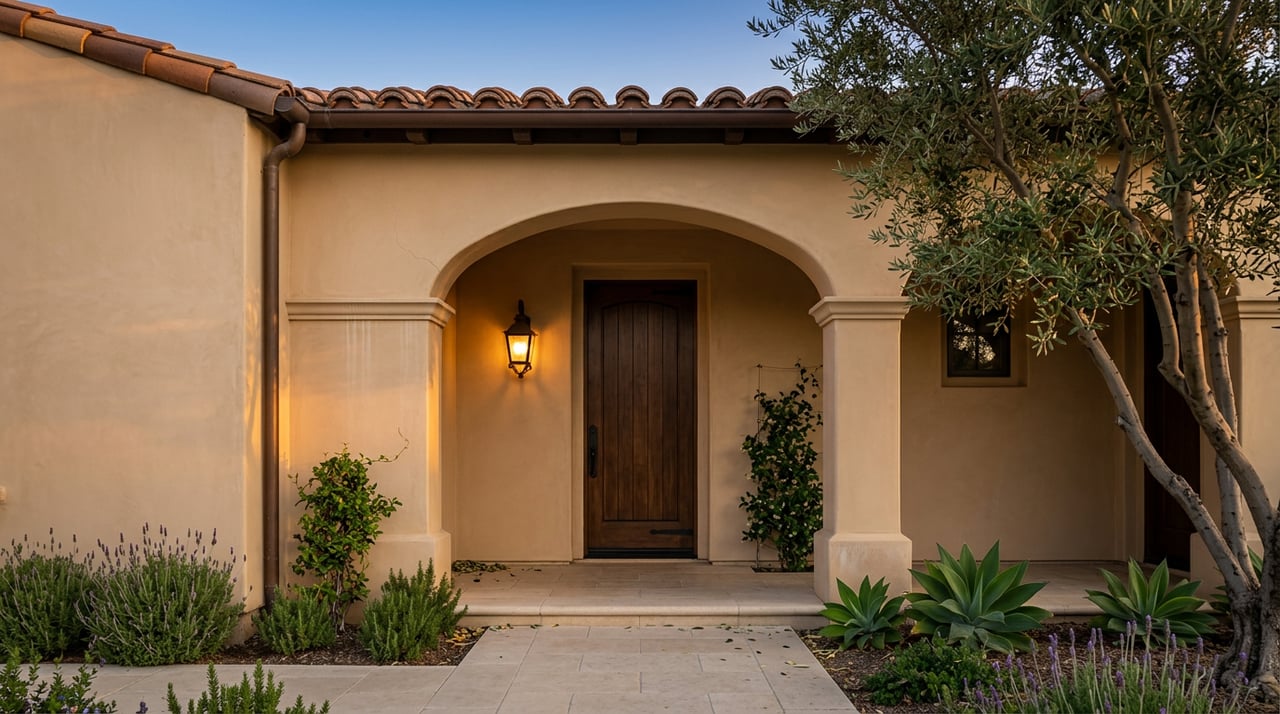
- Weather and curb appeal: Spring and early summer bring greener landscaping and longer daylight, which help photos, open houses, and first impressions.
- Supply and demand: Low inventory or shifts in interest rates can override normal patterns. A current Comparative Market Analysis and MLS traffic data will fine‑tune your exact timing.
Best seasons to list in Pleasanton
Spring
Spring, roughly March through June, is historically the most active stretch. Buyer traffic rises, homes sell faster, and multiple offers are more likely. You’ll face more competing listings, so presentation and accurate pricing are essential.
Summer
Summer stays productive, especially for buyers aiming to move before school starts. Activity can cool slightly after mid‑June. If you list in June or July, emphasize move‑in readiness and outdoor living to capture lifestyle‑driven attention.
Fall
Buyer activity typically tapers in September and October. Serious buyers remain in the market, often tied to job changes. You can still win on price and speed if your home is well presented and priced to current comps.
Winter
Winter brings fewer listings and fewer buyers. With less competition, a well‑priced home can still stand out. Plan for strong interior staging, warm lighting, and professional photography to keep attention high.
Staging, pricing, and marketing by season
Staging that fits the season
- Spring: Fresh landscaping, trimmed hedges, power‑washed hardscapes, and vibrant planters. Highlight patios and decks.
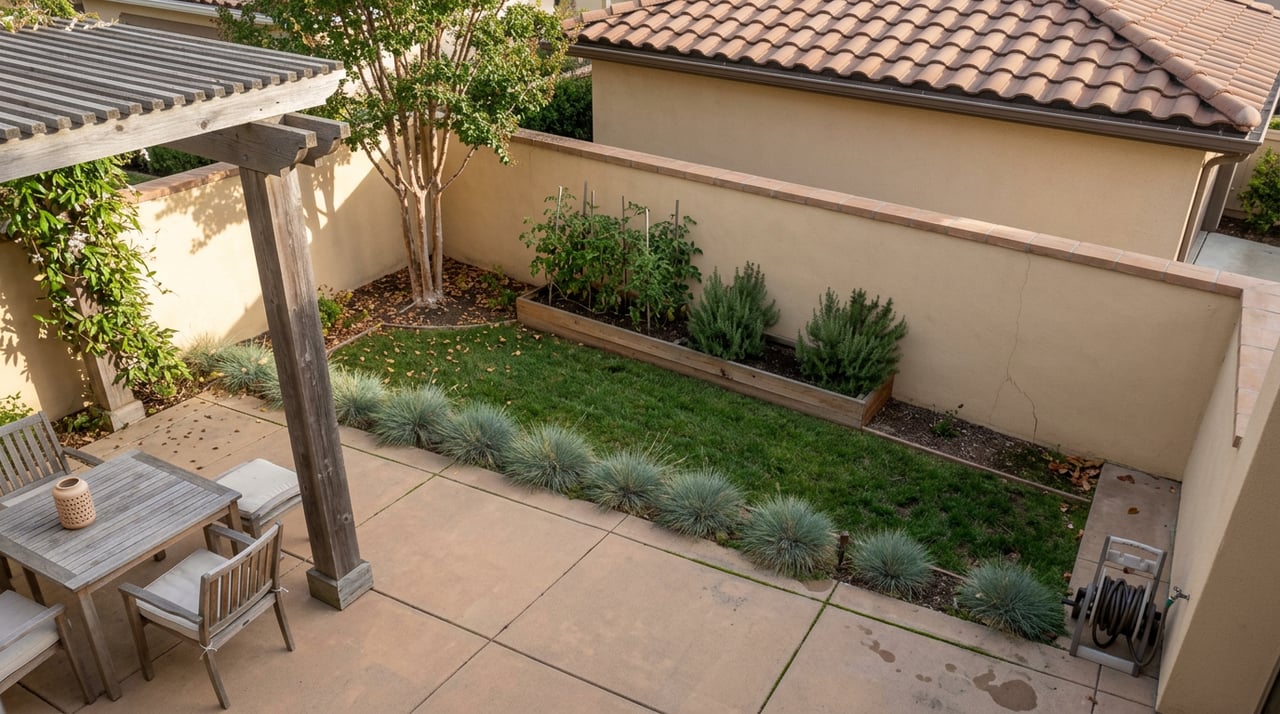
- Summer: Shade structures, well‑maintained irrigation, and inviting outdoor seating. Keep lawns green and tidy.
- Fall and winter: Cozy interiors, neutral textiles, layered lighting, and attention to energy efficiency. Focus on clean windows and bright, welcoming rooms.
If you list outside peak season, invest more in professional photos, lighting, and virtual tours. With fewer active buyers, first impressions matter even more.
Pricing by season
- Spring: Buyer competition can support stronger pricing, but you’ll compete with other sellers. Price at market using current Pleasanton comps and days on market trends.
- Late fall and winter: Consider conservative pricing or incentives, such as credits for repairs or flexible closing timelines, to draw limited traffic.
Across all seasons, base your price on recent neighborhood sales, condition, and the interest‑rate climate. A time‑sliced CMA that looks at closings by month can help pinpoint the best week to launch.
Marketing for maximum exposure
- Pre‑market prep: Complete repairs, deep clean, stage, and secure professional photography, floor plans, and virtual tours before you go live.
- Launch timing: Many sellers benefit from listing early or late in the week to maximize weekend showings. Your agent’s MLS analytics will guide the ideal day.
- Showings and open houses: Spring and early summer typically deliver the best light and curb appeal. Twilight photography can be especially effective in these seasons.
Month‑by‑month plan for a spring or summer sale
Use this as a framework. Your agent will tailor dates based on Pleasanton MLS data and your move‑out needs.
January — Planning and early prep
- Request a Comparative Market Analysis and interview agents.
- Schedule appropriate pre‑listing inspections to surface issues early.
- Begin decluttering. Review HOA and disclosure requirements if applicable.
February — Repairs and staging setup
- Complete priority repairs and cosmetic touchups.
- Finalize staging and book professional photography.
- Decide on a target list date between late February and April.
March — Go live for spring demand
- Launch early to mid‑month to catch the buyer surge.
- Ensure marketing is live everywhere on day one.
- Prepare for quick showings and potential multiple‑offer management.
April — Peak showings and negotiations
- Keep curb appeal sharp and staging pristine.
- Review feedback weekly and adjust pricing or marketing if needed.
- Line up escrow and lending partners for fast, clean closes.
May — Close out the spring window
- Coordinate moving timelines and closing logistics.
- If unsold, reassess pricing and refresh marketing.
June — Family moving season
- Emphasize move‑in readiness and outdoor living.
- Expect a steady but slightly slower pace after mid‑June.
July and August — Summer opportunities
- Well‑priced homes still sell. Some buyers relocate before school starts.
- Keep landscaping watered and exterior details crisp.
September — Fall strategy
- Focus on price accuracy and targeted marketing for serious buyers.
- Consider incentives or flexible closings.
October — Niche opportunities
- Homes with strong presentation can still perform.
- Decide whether to adjust price or pause and reset for winter planning.
November — Low traffic planning
- Expect limited showings. Lean on great photos and virtual tours.
- Consider a late January or February relaunch to access spring demand.
December — Maintenance and planning
- Handle deeper maintenance and paperwork.
- Keep any holiday decor minimal and neutral if you have showings.
California seller requirements to know
Selling in Pleasanton means following California disclosure rules and local processes. Build these into your plan so the transaction runs smoothly.
- Mandatory disclosures: Transfer Disclosure Statement, Natural Hazard Disclosure, Megan’s Law notice where applicable, and lead‑based paint disclosures for pre‑1978 homes.
- Permits and remodels: Verify permits for significant renovations and gather documentation. Disclose any unpermitted work.
- Local taxes and fees: Confirm transfer and documentary transfer taxes and any applicable city or county fees with Alameda County and Pleasanton resources.
- HOA and CC&R items: If applicable, order HOA resale packets early and allow for their timelines and fees.
- Escrow timelines: Typical escrows run about 30 to 45 days. Build this into your plan if you want to close before the new school year.
- Pre‑inspections: Pre‑listing inspections can reduce surprises and keep negotiations cleaner during busy spring windows.
Build a custom Pleasanton timing plan
The best month for your home depends on your neighborhood comps, your move‑out deadline, the scope of prep work, and current inventory. A custom plan aligns everything so you launch at the right moment.
What you bring:
- Your ideal move date and flexibility.
- Price goals and bottom line.
- Repair and upgrade timelines.
- School and commuting constraints.
What your agent should provide:
- A 12 to 24 month Pleasanton market snapshot with median prices, inventory, and days on market by month.
- Recent neighborhood comps by price band with sold dates to identify strong listing windows.
- MLS buyer traffic data, including showing requests and online engagement by day and week.
- A detailed marketing calendar that maps photography, staging, launch date, open houses, and contingency options.
A written timing plan should outline the 60 to 90 days before listing, an estimated closing window, and backup strategies for price adjustments or a relaunch if needed.
If you want hands‑on guidance from a boutique, Pleasanton‑focused team backed by Compass marketing, connect with Sonali Sethna to request a free, custom timing plan built from current MLS data and your goals.
FAQs
What is the best month to list in Pleasanton?
- Spring, typically March through June, is often strongest for buyer traffic and price pressure, but the exact best month depends on current inventory, neighborhood comps, and your move timeline.
Is listing in February better than waiting for March?
- It can be if inventory is especially low and early buyers are active; your agent’s MLS analytics and a time‑sliced CMA will help you choose the specific week.
How do interest rates affect my timing decision?
- Higher rates can reduce buyer affordability and traffic, which may favor quicker, well‑priced strategies and flexible terms to keep momentum.
Should I invest in staging or reduce my price?
- Staging typically improves perceived value and speed to sale; pair it with accurate pricing based on recent Pleasanton comps for the best return.
What day of the week should I go live on the MLS?
- Many sellers aim for early or late week to maximize weekend showings, but the right day should be guided by current local MLS engagement data.
How long should escrow be if I want to move before school starts?
- Plan on roughly 30 to 45 days for a smooth close and work backward from your desired move date, leaving room for prep, staging, and marketing.