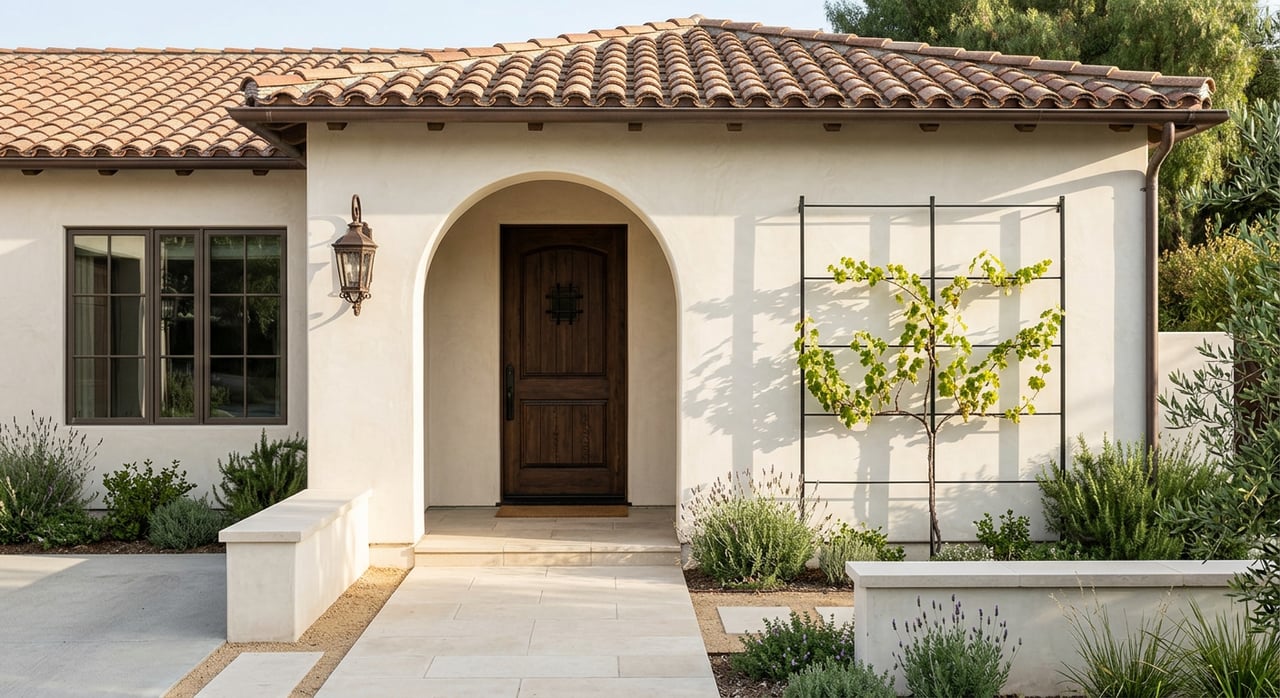
Wondering what it really feels like to live just minutes from vineyards and tasting rooms in Livermore? If you love wide‑open views, weekend wine events, and a calmer pace without leaving the East Bay, you’re not alone. Buying near the wine country corridor can be a smart lifestyle and investment move when you understand the pockets, lot rules, and commute tradeoffs. This guide walks you through what to expect so you can choose the right property with confidence. Let’s dive in.
What “wine country” means in Livermore
When locals say “Livermore wine country,” they’re talking about the Livermore Valley AVA south and southeast of the city, centered on routes like Tesla Road, Arroyo Road, Mines Road, and Greenville Road. It’s a mature, close‑in wine destination with dozens of tasting rooms and producers, including anchors like Wente and Concannon. Many sources cite more than 50 wineries in the valley, underscoring why the area attracts buyers seeking a wine‑country lifestyle close to the Bay Area. You can sample the scene and upcoming events through the Livermore Valley Winegrowers calendar.
Lot sizes, rules, and what shapes inventory
The South Livermore Valley Area Plan (SLVAP) was designed to protect agriculture and open space while allowing limited, carefully managed development. The Tri‑Valley Conservancy outlines how this framework preserves vineyards and rural character.
A key rule is the 20‑acre increment pattern tied to conservation. Under ECAP/SLVAP implementation, many parcels function in 20‑acre increments with one homesite and a 2‑acre building envelope per increment. The rest of the land is typically placed into a permanent agricultural conservation easement. The Conservancy’s ECAP amendments FAQ explains how clustering and visitor‑serving uses fit within these rules.
Recent county updates also clarified service options for visitor‑serving agricultural uses. As covered by local reporting, certain tasting rooms or small inns may use sewer under strict conditions related to clustering, easements, and planting requirements. If you plan to host events or short‑term lodging, review parcel‑specific allowances and permits first, and use this local overview of the 2025 changes as context.
What you’ll actually see on the market
- True wine‑country parcels: Often 20 acres or more, sometimes with active vines or long‑term vineyard leases. Expect agricultural easements and strict limits on additional homesites.
- Rural/edge estates: Single‑family homes on several acres just outside preserved vineyard lands. These blend space and access.
- Suburban lots: Inside city limits, you’ll find typical suburban parcels around 0.1–0.3 acre. Not every “near a winery” home is an estate.
Where to look: micro‑locations and lifestyle fit
South Livermore Valley core (Tesla, Arroyo, Mines, Greenville)
This is the heart of Livermore’s wine scene, with scenic rows of vines, tasting rooms, and a more active wine‑tourism calendar. You’ll see larger parcels and estate properties, sometimes with on‑site vines or leases. Explore anchors like Wente to get a feel for the corridor’s character.
Greenville and South Vasco corridor (city edge)
Closer to town and I‑580, this area bridges newer residential pockets with preserved lands. You’ll find easier utility access and shorter trips to services while still enjoying vineyard views. It’s a practical choice if you value balance between lifestyle and commute.
Mines Road and Highland ridgelines (hill country)
If you want privacy, dramatic views, and winding roads, the ridgelines can deliver. This pocket is more remote with higher wildfire and access considerations. For a flavor of the boutique vibe, see a local profile of Murrieta’s Well at Exploring the Wine Glass.
Ruby Hill and the Pleasanton border
While technically Pleasanton, Ruby Hill and nearby pockets often make the short list for wine‑country buyers. You’ll find golf and gated options with a premium feel and proximity to vineyards. Expect higher price points and more traditional suburban amenities.
Price context and resale considerations
Citywide Livermore medians have recently been around the 1.05 million to 1.2 million range, depending on the source and month. South Livermore and estate‑scale properties often trade well above city medians, reflecting scarcity and the larger lot profile. Always verify current numbers with your agent’s MLS snapshot when you are ready to write an offer.
Why these properties can hold value:
- Scarcity and protection. Conservation tools and the SLVAP framework limit density and subdivision, preserving views and agricultural use. This creates a scarcity premium for large parcels and vineyard‑edge homes. You can read more about the conservation approach in the Conservancy’s ECAP FAQ.
- Enduring lifestyle demand. Many Bay Area buyers want a “country” feel with East Bay access, which keeps a steady pool of interested buyers.
Key risks to weigh:
- Wildfire and insurance. Many ridge and rural parcels fall in higher wildfire hazard zones. Check your parcel’s FHSZ status on the Cal FIRE map service and speak with insurers early.
- Event traffic and noise. Some wineries host weddings or concerts. Ask for a history of local permits and event frequency to understand weekend patterns. The 2025 county updates guide what is allowed for visitor‑serving uses.
- Easements and leases. Agricultural conservation easements and vineyard fruit contracts often run with the land. Confirm how these affect future use.
- Utilities and systems. Rural parcels may rely on wells and septic. Visitor uses may require a sewer connection or specific approvals; see the 2025 conditional‑use changes for context.
Commute and transit: how it fits your week
Most daily driving uses I‑580 to reach Oakland, the I‑880 corridor, or I‑680 and the South Bay. Peak South Bay commutes can run about 60 to 90 minutes or more, depending on time of day and route. If you want to avoid the worst drive windows, consider park‑and‑ride and rail options.
- BART access. The Dublin/Pleasanton terminus is roughly 9 to 12 miles from central Livermore, with LAVTA Wheels providing feeder routes. See typical bus timing to BART via Rome2Rio’s route view. Wheels also shares service updates on its Behind the Wheel page.
- ACE to San Jose. The downtown Livermore station connects to San Jose on the ACE commuter line. Check the Livermore ACE station overview for routing context and schedules.
- Valley Link (future). Valley Link is a planned rail service in the I‑580 corridor. Early segments are targeted for the early 2030s under an evolving timeline. If delivered as planned, this will improve Tri‑Valley connectivity and could enhance long‑term appeal for wine‑country pockets.
Tip: If you commute daily, you may prefer the Greenville/South Vasco side for faster freeway access. If you have a hybrid schedule, you might prioritize acreage, views, and peace in the South Livermore core or the hills.
Smart due diligence checklist
Before you write an offer, gather and review:
- Zoning, SLVAP/ECAP status, and any Measure D‑related limits. See the Conservancy’s overview of agricultural land protections.
- Exact 2‑acre building envelope, recorded conservation easements, and any conditional‑use permits for visitor or event uses. The ECAP FAQ explains how these tools work.
- Water and irrigation. Well reports, water rights, and any Zone‑7 or service availability letters.
- Septic vs. sewer. Septic certifications or a sewer‑availability letter, especially if you plan visitor‑serving uses; review the 2025 update summary to understand constraints.
- Wildfire and insurance. Your parcel’s FHSZ classification on the Cal FIRE map, defensible‑space documentation, and any insurer pre‑inspection conditions.
- Access and events. If you plan a tasting room or venue, investigate driveway standards, parking, emergency access, and traffic controls.
Is a wine‑country home right for you?
If you want sunshine, vineyard scenery, and a quieter pace while staying within East Bay reach, the Livermore corridor delivers. Your best fit comes down to three choices: suburban convenience near the city edge, a few private acres on the rural fringe, or a larger estate inside the protected core. With clear expectations on commute, utilities, and use rules, you can enjoy the lifestyle and protect resale value.
Ready to explore properties or weigh tradeoffs on a specific parcel? Connect with Sonali Sethna for local guidance, off‑market context, and a step‑by‑step plan. If you are selling to buy, Request a Free Home Valuation and we will map your timing and budget with confidence.
FAQs
What is the South Livermore Valley Area Plan (SLVAP)?
- It is a framework that preserves vineyards and open space while allowing limited, regulated development that supports agriculture; see the Conservancy’s overview.
How does the 20‑acre and 2‑acre envelope rule affect me as a buyer?
- Many parcels are sold in 20‑acre increments with one homesite and a 2‑acre building envelope, with the balance placed in a conservation easement, which limits density and future subdivision.
Can I add a tasting room or host weddings on my property?
- Possibly, but only with the right zoning, permits, and site conditions; 2025 updates clarified limited sewer service and strict visitor‑serving rules, so verify parcel‑specific allowances first.
Are wildfire risks higher in the hills above Livermore?
- Many ridgeline and rural areas carry elevated wildfire hazard; check your parcel’s status on the Cal FIRE map and review insurance options early.
What are the best commute options from Livermore’s wine country?
- Most drivers use I‑580; many commuters combine LAVTA Wheels to Dublin/Pleasanton BART, ACE from downtown Livermore to San Jose, or plan around hybrid schedules.
Will Valley Link change the value of homes near Livermore’s wine corridor?
- If built as planned, Valley Link could improve regional rail access along I‑580, which may enhance long‑term appeal for certain pockets, especially near planned stations.