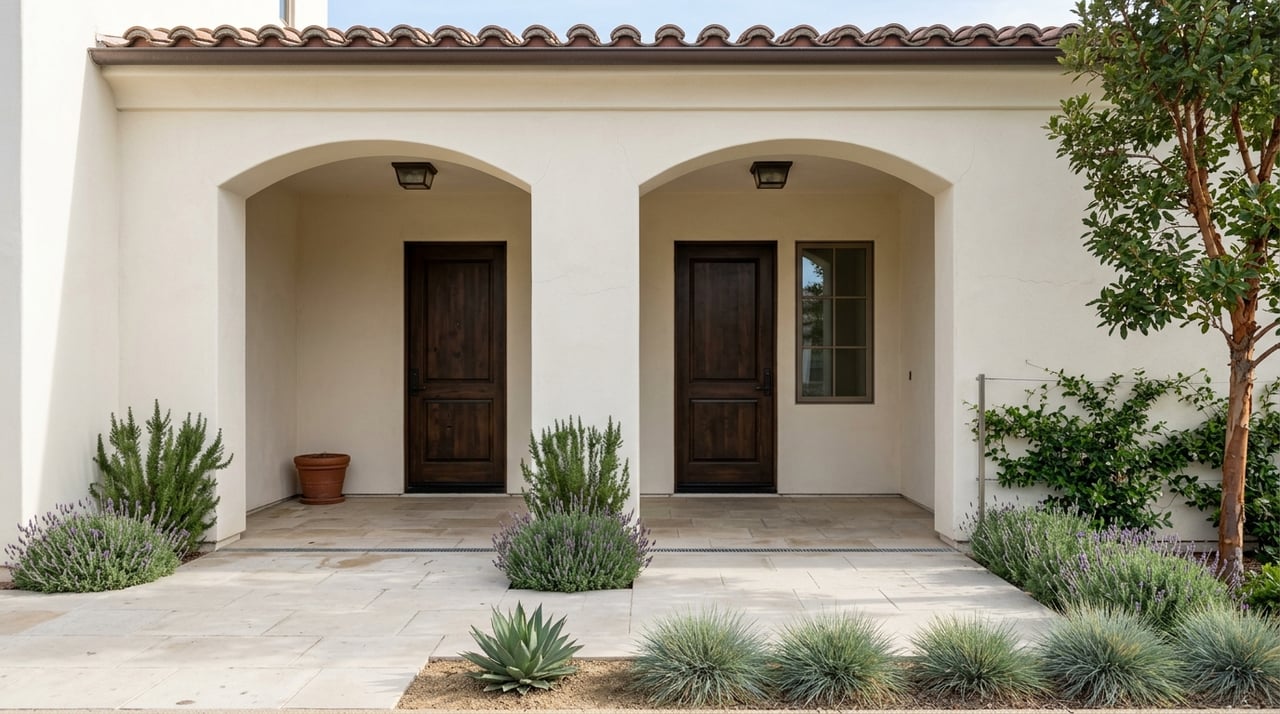
Trying to choose between a townhome and a single-family home in Mountain View? You are not alone. In a city where prices move fast and options can look similar online, the real differences often show up in your budget, maintenance, privacy, and long-term flexibility. This guide will help you compare both paths clearly so you can decide which one fits the way you want to live. Let’s dive in.
Mountain View prices set the stage
Mountain View remains a high-price, fast-moving market, but it helps to think in price ranges rather than one exact number. Recent data from Redfin’s Mountain View housing market tracker showed a February 2026 median sale price of $1,822,500 and 8 days on market, while Zillow reported a January 2026 median sale price of $1,723,333 and 13 days to pending.
For the townhome versus single-family question, the City of Mountain View’s own profile may be the most useful comparison point. It showed end-2024 median home values of $2.68 million for single-family homes and $1.2765 million for condo/townhouse homes, according to the city profile.
That is a meaningful gap. Based on the same city data, condo and townhouse values were about 47.6% as high as single-family values, or about 52.4% lower. If you are deciding between the two, that price difference is usually the first reason buyers start by looking at townhomes.
Mountain View also has a large renter population. The city profile showed 37.6% owner-occupied housing and 62.4% renter-occupied housing, which adds context for why entry points into ownership matter here.
Townhome vs single-family basics
At a high level, townhomes usually appeal to buyers who want a lower purchase price and less exterior upkeep. Single-family homes usually appeal to buyers who want more privacy, more control over the property, and more room to adapt the home over time.
In Mountain View, that distinction is especially important because the city treats these as different development patterns. Mountain View publishes both Residential Townhouse Guidelines and Small-Lot Single-Family Residential Guidelines, which reflects how different the ownership experience can be.
A townhome is not always the same as a condo
This is one of the biggest points of confusion for buyers. In California, a townhome-style property may be legally structured as a condominium or as a planned development, so the ownership and maintenance rules depend on the specific subdivision.
The California Department of Real Estate explains in its Residential Subdivisions Guide that maintenance responsibility in townhome or cluster projects is subdivision-specific. That means you should review the CC&Rs and other governing documents before assuming what the HOA covers.
Why townhomes appeal to many buyers
The biggest advantage is usually the price point. In Mountain View, where detached homes can sit well above $2 million based on the city’s profile, a townhome may offer a more accessible path into homeownership.
Townhomes can also reduce some of the day-to-day exterior maintenance burden. In a common interest development, you automatically become a member of the homeowners association, and regular assessments and reserve funding help cover ongoing maintenance and shared expenses.
For some buyers, that shared structure feels simpler. If you prefer a home where exterior tasks may be handled in part through the association rather than fully on your own, a townhome may line up better with your lifestyle.
What to watch with HOA costs
The lower purchase price does not tell the whole story. HOA dues, reserve strength, and the possibility of special assessments are all part of the real cost of ownership.
The California DRE notes that regular assessments fund day-to-day and reserve maintenance, while special assessments can be used for major repairs or unexpected expenses. As a practical matter, you should compare not just mortgage scenarios, but also monthly HOA dues and the association’s financial health.
Exterior repairs may or may not be yours
Many buyers assume a townhome means the HOA handles everything outside the walls. That is not always true. The DRE explains in its common interest development guidance that interior issues are normally the owner’s responsibility, while the association typically manages common areas, but project-specific documents control the details.
That means roof lines, patios, balconies, exterior walls, windows, and shared systems can vary from one community to another. Before you buy, it is smart to read the documents with care and ask direct questions about maintenance responsibility.
Why single-family homes stay in demand
Detached homes typically offer more separation from neighbors and more control over your property. For many buyers, that means more privacy, more yard use, and fewer shared decisions.
The California DRE also notes that detached homes are generally more marketable because more buyers prefer them, and that higher sale values for single-family homes compared with attached condominiums reflect that preference. Mountain View’s pricing gap is consistent with that pattern.
Another advantage is fewer HOA constraints in many cases. The city’s single-family residential guidance is specifically for homes in residential zoning districts without HOAs, which highlights one of the biggest lifestyle benefits of detached ownership.
Single-family still comes with rules
Owning a detached home does not mean unlimited freedom. Mountain View still points homeowners to rules around fences, landscaping, parking, private trees, setbacks, easements, and flood zones.
The same city guidance explains that most single-family homes are in R1 zoning, and code-compliant remodels or additions typically do not require discretionary design review. That can make planning updates more straightforward than many buyers expect, but you still need to follow local standards and permit requirements.
Think beyond today’s payment
If your choice feels close, zoom out and think about how you want the property to work for you over the next five to ten years. The better option is not always the one with the lower monthly payment today.
A townhome may be the stronger fit if you want to prioritize entry price and lower exterior upkeep. A single-family home may be the better fit if you care more about privacy, yard control, remodeling options, and fewer HOA constraints.
Flexibility matters in Mountain View
For buyers who want room to adapt over time, single-family homes can offer important advantages. Mountain View says ADUs and JADUs do not require a planning permit, and homeowners can pursue additions or new construction as long as they meet development standards and building permit requirements.
That said, flexibility is not unlimited. The city notes that zoning standards, setbacks, building-code triggers, and property-specific easements can affect what you can build and where you can place it.
A simple side-by-side comparison
| Factor | Townhome | Single-Family Home |
|---|---|---|
| Typical entry price in Mountain View | Lower relative to detached homes | Higher relative to townhomes |
| Privacy | Usually less separation from neighbors | Usually more separation from neighbors |
| HOA involvement | Common | Often none in standard single-family areas |
| Exterior maintenance | May be partly shared, depending on documents | Usually more owner-managed |
| Rules and governance | CC&Rs and HOA policies matter | City rules and zoning standards matter |
| Remodeling flexibility | Varies by project documents | Often greater, subject to city standards |
| Resale appeal | Strong, but typically narrower buyer preference than detached homes | Often broader buyer appeal |
Which option fits your goals?
If you are buying with a tighter target budget but still want to own in Mountain View, a townhome may give you a practical way in. It can also make sense if you prefer shared maintenance and are comfortable reviewing HOA documents carefully before you commit.
If you want more autonomy, more outdoor control, or more long-term flexibility, a single-family home may justify the higher price. That can be especially true if you want the option to remodel, add space, or explore an ADU later on.
The key is to compare the full ownership picture, not just the listing photos or starting price. In Mountain View, the best choice usually comes down to how you balance budget, privacy, maintenance, and future plans.
If you want help weighing those tradeoffs in a competitive Bay Area market, Sonali Sethna offers thoughtful, high-touch guidance to help you evaluate your options with clarity and confidence.
FAQs
Is a townhome the same as a condo in Mountain View?
- No. In California, a townhome-style property may be structured as a condo or a planned development, so you need to review the governing documents to understand ownership and maintenance.
How big is the price difference between townhomes and single-family homes in Mountain View?
- Based on the City of Mountain View’s profile, end-2024 median values were $2.68 million for single-family homes and $1.2765 million for condo/townhouse homes.
Do Mountain View townhomes always include exterior maintenance through the HOA?
- No. Maintenance responsibility depends on the project’s governing documents, although common areas are typically handled by the association.
Can you add an ADU to a single-family home in Mountain View?
- Often yes. The city says ADUs and JADUs do not require a planning permit, though you still need to meet local standards and building permit requirements.
Are single-family homes in Mountain View free from rules and restrictions?
- No. Detached homes still need to follow city rules related to zoning, setbacks, parking, fences, landscaping, easements, trees, and other property standards.